Mature student rewrites career path into environmental technology
Feb. 11, 2026
Kiersten Edwards, an Environmental Technology student, didn’t always see herself working in the environmental field. In fact, for years she believed that science and math might keep her from it. Now, she’s preparing to step into a full‑time role as an Environmental Technologist thanks to her persistence, curiosity and a strong love for the outdoors.
In recognition of International Women and Girls in Science Day, Kiersten’s story highlights the growing number of women pursuing careers in environmental science and technology and the impact they’re making in the field. Her journey is a reminder that there’s no single path into STEM (science, technology, engineering and mathematics), and it’s never too late to start.

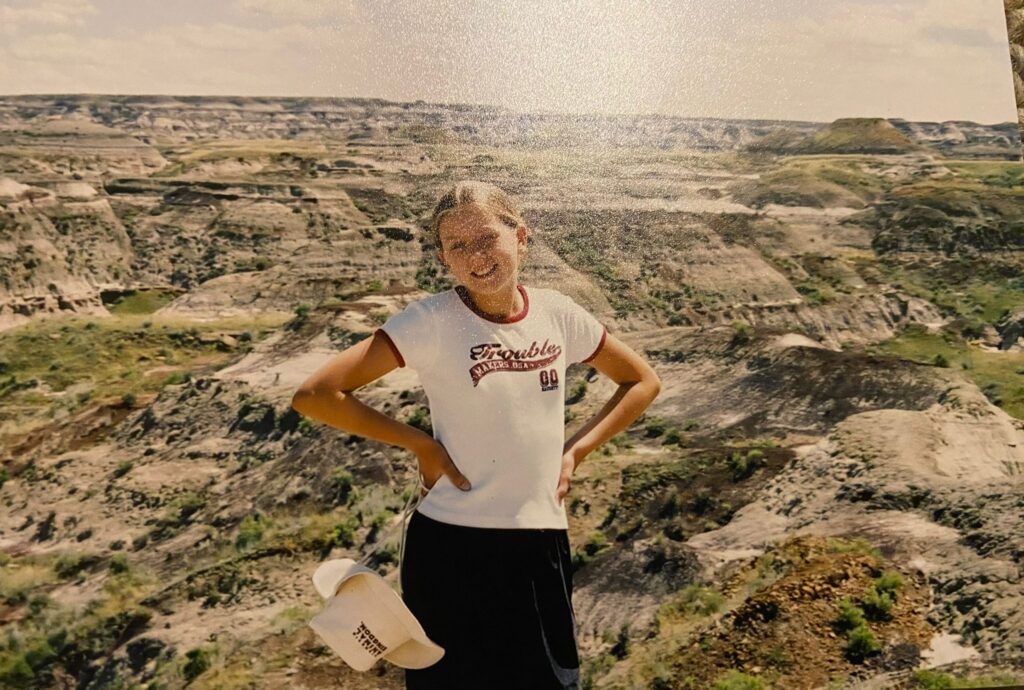
Kiersten started her postsecondary journey studying history and professional writing, but quickly realized it wasn’t the right fit. She enrolled in the Environmental Technology program at 31, motivated by a friend who had gone back to college and inspired her to do the same. Like many students returning to school later in life, Kiersten wasn’t sure what to expect, but what she found at Georgian was a learning experience that went far beyond textbooks.
“I’ve wanted to get into the environmental field for a really long time,” she says. “When I came across this program, I read through it and knew this is exactly what I was looking for.”
In high school, Kiersten loved environmental topics but struggled with advanced science and math. The hands‑on approach at Georgian changed her perspective.
You’re not just learning theory — you’re learning why it makes sense. When it started to click, I was so shocked. I was like, ‘Oh my God, I’m getting it. I can do science. I can do math.’
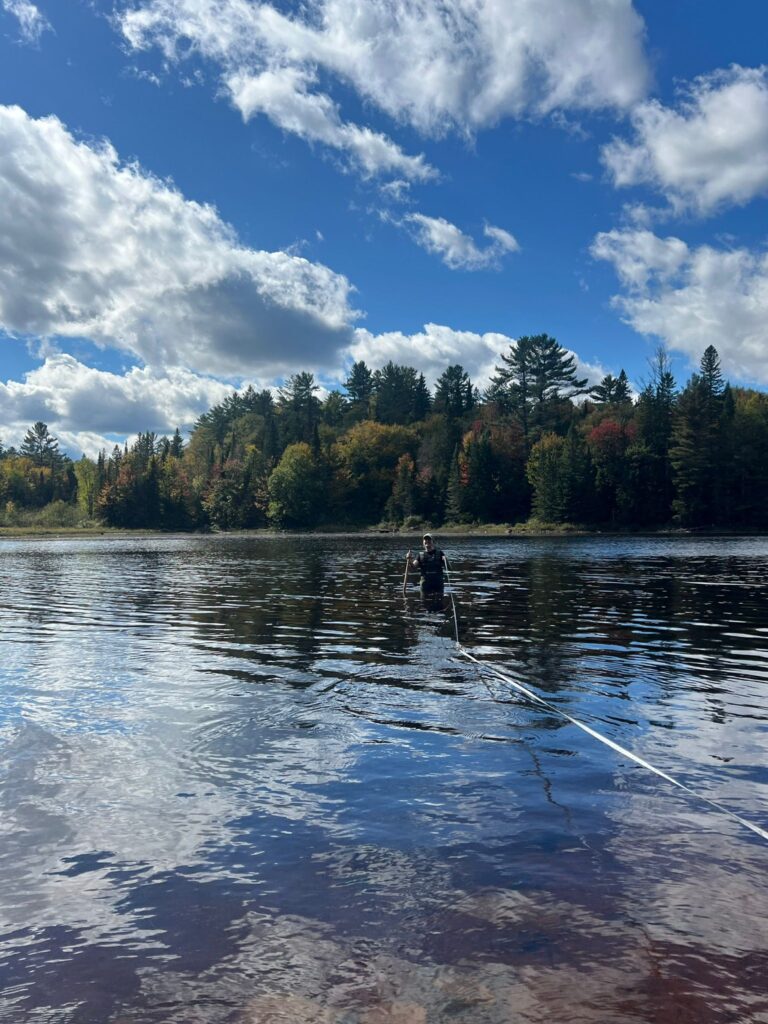
From lab work to field camp, the program emphasizes real‑world application. One of Kiersten’s most memorable experiences took place during field camp in Algonquin Provincial Park, where students conducted water‑quality testing and ecological surveys.
“You think of water as just water — a lake, a stream — but when you’re out there measuring it, collecting samples, taking them back to the lab and interpreting the data, you realize how much is happening beneath the surface,” she says. “We got dirty, we got wet, we were tired — and it was a lot of fun.”
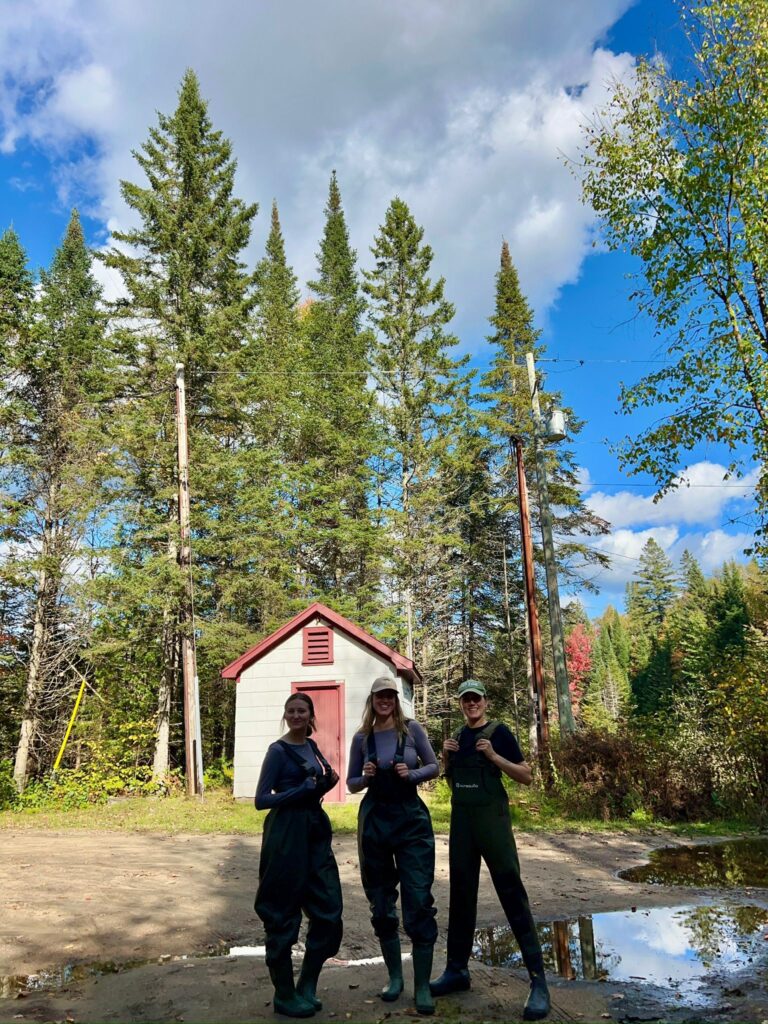
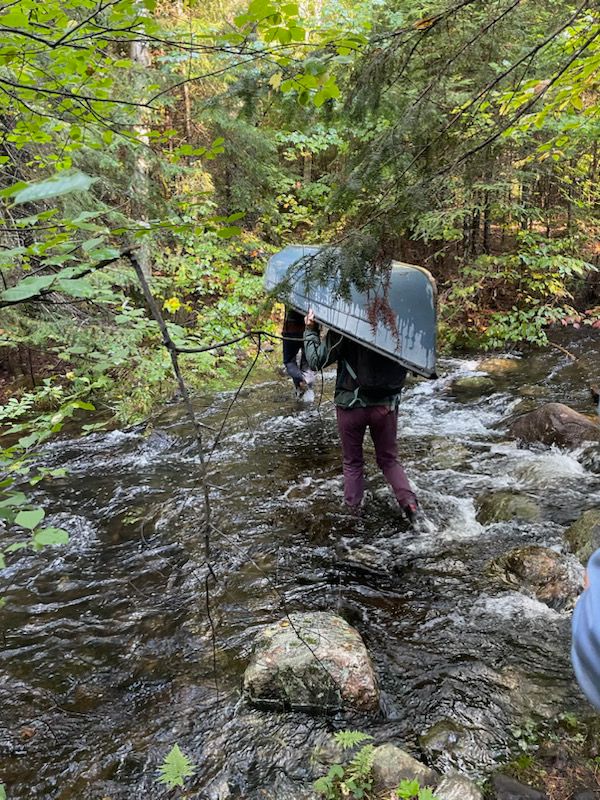
The Environmental Technology program blends classroom learning with co‑op placements that build industry experience. Kiersten has completed two co‑ops, each offering a different perspective on the field.
Her first involved mosquito population monitoring and control, helping reduce the risk of West Nile virus. Her second placed her in a role focused on ecology and species‑at‑risk surveys, where she spent much of her time outdoors collecting and analyzing data.
“We were outside every day — bushwhacking, doing surveys, working in forests,” she says. “That’s what drew me to this program. I wanted a career where being outside is part of the job.”
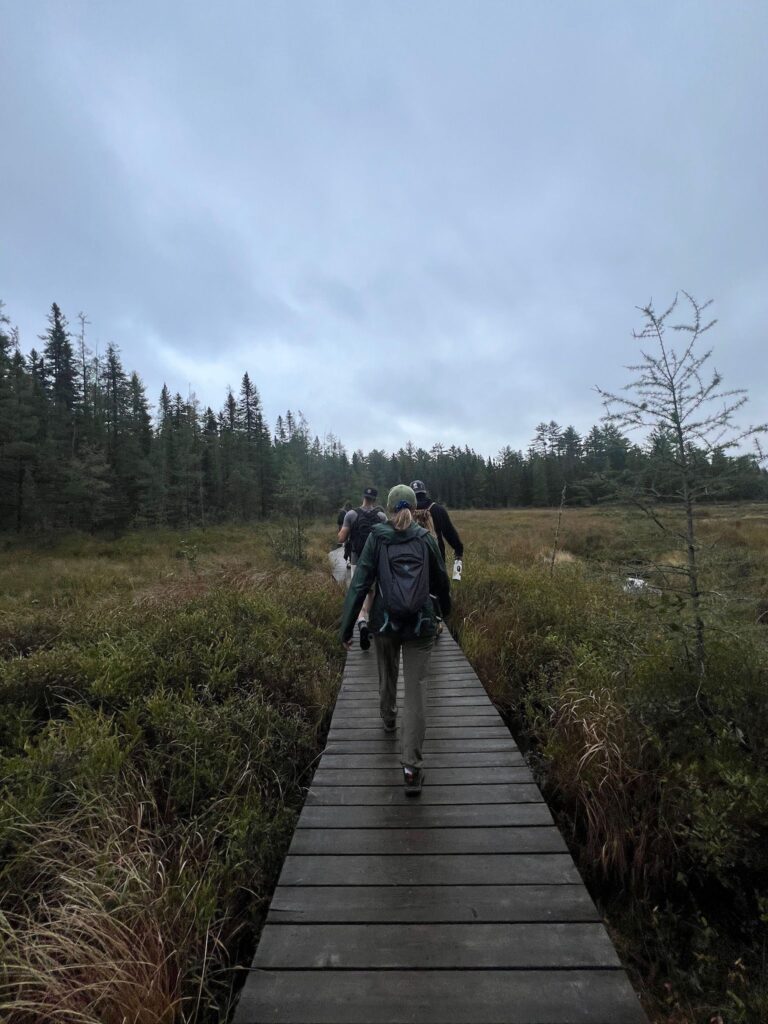
During one project, Kiersten helped survey an endangered turtle population affected by poaching. Seeing how data collected in the field could influence conservation decisions made the work feel meaningful. “It was really cool to see the results of what we were doing and how it could help local ecologists understand what’s happening with that species,” she says.
With graduation approaching, Kiersten already has a job lined up. After completing her final co-op, she was offered a position as an environmental technologist — a testament to the program’s strong industry connections and career readiness focus.
I knew coming back to school that I wanted something that would prepare me for a career. This program really prepares you for that.
Her goal moving forward is to help others understand why environmental work matters.
“It’s easy to tell someone they should care about the environment because it’s beautiful,” she says. “But when you understand how everything works and why it matters, you can help people care in a deeper way.”
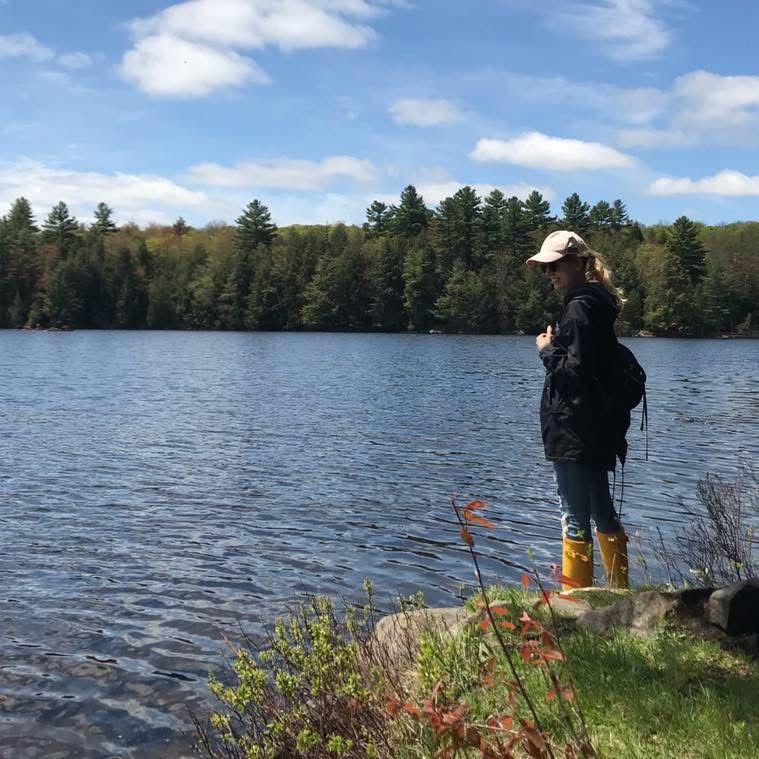
This International Women and Girls in Science Day, stories like Kiersten’s highlight what’s possible when curiosity meets opportunity, and how hands-on learning opens doors to meaningful careers in science.
For anyone considering a path in environmental technology, especially those who may be unsure about returning to school or pursuing STEM, Kiersten offers simple advice: Go for it.
People ask if there are jobs in this field. Do it anyway. You’re going to get a job. Things are going to change, and it’s such an enriching sector to be in.